Commercial specialty exterior cleaning for unusual surfaces and conditions.
Not every exterior-cleaning need fits a routine window-cleaning, pressure-washing, or building-washing scope. Specialty work begins when the material, access, condition, or expected result requires additional evaluation and a more specific plan.
Eastside is a fourth-generation family window-cleaning and exterior-cleaning business with roots dating to 1927. We help commercial property teams define practical cleaning scopes for skylights, architectural glass, awnings, signs, stainless steel, graffiti, and other confirmed exterior conditions that require more than a standard service visit.
Specialty cleaning starts with the material and condition
A specialty-cleaning proposal begins with what the surface is, what condition is present, how the area can be accessed, and what result the property needs.
Fabric, glass, painted signs, coated metal, stainless steel, masonry, and other exterior materials do not automatically belong under the same method. Age, finish, prior treatment, nearby surfaces, and existing damage can also change what is appropriate.
Photos may be enough to begin the review. Unusual or uncertain conditions may require an inspection, sample treatment, or test area before the full scope is approved.
Skylight and specialty glass cleaning
Commercial skylights, glass canopies, and specialty architectural glass can collect dust, environmental residue, water deposits, and debris in locations that routine window-cleaning scopes may not include.
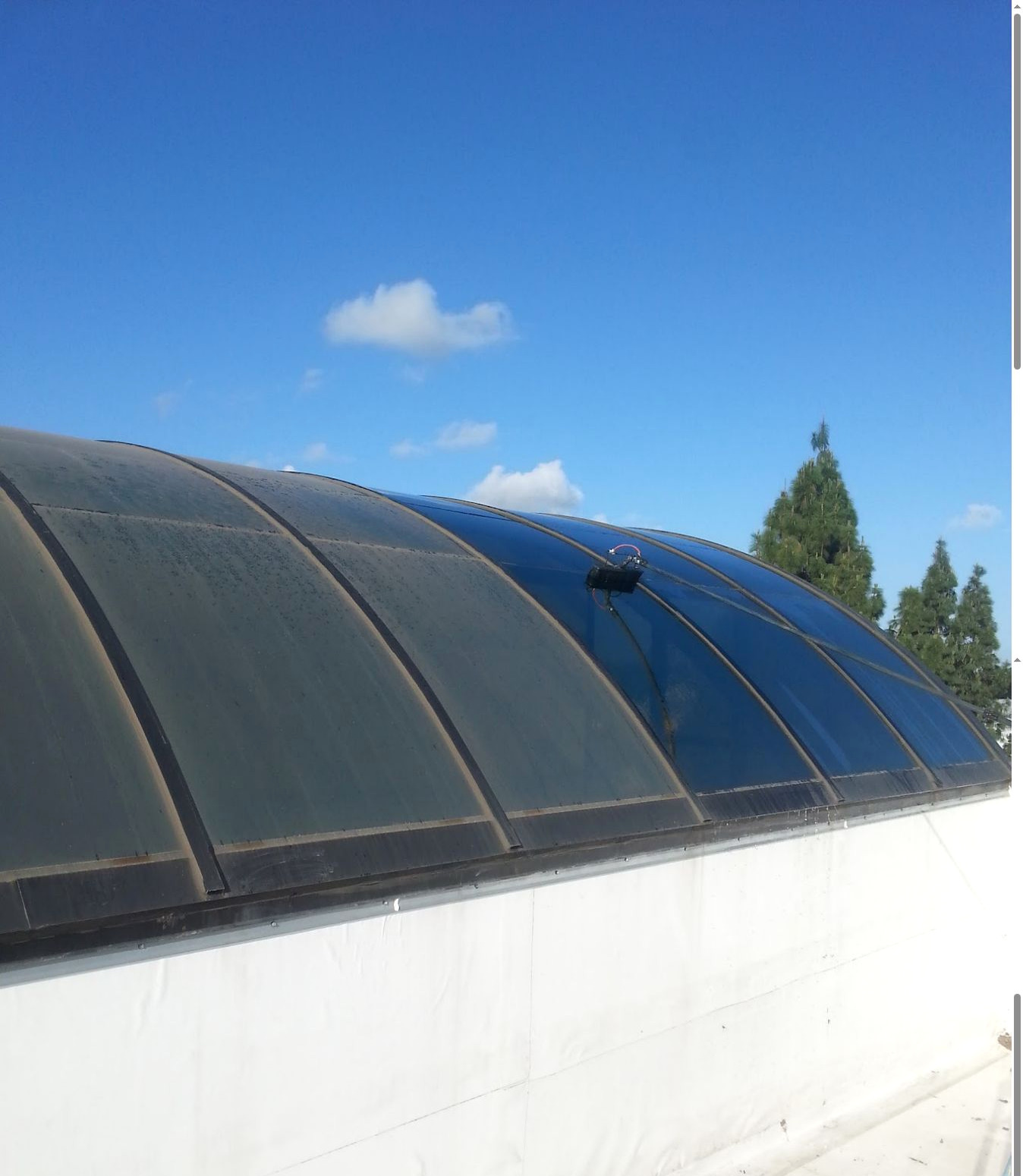
The proposal should identify the glass or panels to be cleaned, the sides included, the surrounding frames or materials, and the available access. Exterior, interior, elevated, roof-level, and restricted-access areas may require different planning.
The condition of the glass also matters. Routine cleaning can address compatible surface buildup, but mineral staining or permanent glass damage may require a different evaluation.
Awning and sign cleaning
Awnings and exterior signs are exposed to traffic residue, dust, weather, bird activity, and other environmental buildup. Their materials and finishes can vary substantially.
Fabric awnings, painted signs, metal signs, acrylic components, coated surfaces, and decorative finishes should be evaluated before the method is confirmed. Existing fading, oxidation, cracking, failed coatings, or permanent discoloration may remain after cleaning.
The written scope should state which awnings or signs are included and whether adjacent glass, walls, frames, undersides, or supporting components are separate.
Stainless-steel cleaning
Stainless-steel panels, trim, entry features, and architectural details can show fingerprints, residue, water marks, environmental buildup, and changes related to the existing finish.
Cleaning should be planned around the finish direction, condition, nearby materials, and prior treatment. Surface cleaning is not the same as scratch repair, corrosion repair, recoating, refinishing, or guaranteed oxidation removal.
When the condition is uncertain, a limited test area may help establish a realistic expectation before broader work proceeds.
Graffiti removal
Graffiti removal requires careful evaluation because paint, ink, and marker can behave differently on coated, painted, porous, or previously damaged surfaces.
The likely result depends on the substrate, coating, age of the marking, type of material applied, porosity, prior treatments, and surrounding finishes. Some conditions can leave ghosting, discoloration, coating changes, or other visible evidence after cleaning.
Photos, inspection, or a test area may be appropriate before the full scope is approved. The proposal should identify the marked surfaces and establish what outcome can reasonably be expected without promising complete removal.
Hard-water and glass restoration are separate scopes
Routine specialty cleaning does not automatically include restoration of mineral-stained, etched, scratched, or damaged glass.
Glass with bonded mineral deposits or other condition-related damage may require separate hard-water stain removal and glass restoration. That evaluation determines whether cleaning, restoration testing, or another response is appropriate.
Solar panel cleaning has its own scope
Solar panels are specialty exterior surfaces, but Eastside maintains a dedicated Solar Panel Cleaning service scope.
Panel condition, array size, access, roof configuration, water availability, and property restrictions should be reviewed through that service rather than folded into a generic specialty-cleaning proposal.
Coordinate specialty work with broader exterior cleaning
Specialty work can sometimes be coordinated with commercial window cleaning, pressure washing, or building washing.
Those services remain separate scopes. Window cleaning addresses defined glass surfaces, pressure washing generally addresses compatible hardscape and high-use exterior areas, and building washing addresses facades, exterior walls, and architectural surfaces.
Properties combining several needs can begin with Eastside’s Commercial Services overview. Managed communities or portfolios may also require separate Property Management Cleaning Services coordination.
Working around active commercial properties
Specialty cleaning often takes place around entrances, tenants, employees, customers, patients, students, deliveries, vehicles, or landscaped areas.
Depending on the property and scope, planning may address work zones, pedestrian routes, equipment staging, interior or roof access, nearby finishes, landscaping, and approved work windows. The necessary controls should be defined for the actual site rather than assumed from another project.
Any excluded areas, unavailable access, sensitive materials, or operational restrictions should be documented before work begins.
Test areas and realistic expectations
A test area may be useful when the material, finish, contamination, or expected outcome is uncertain. It is not required for every specialty-cleaning project, and one successful test does not guarantee an identical result across every section of a property.
The practical expectation is clean, but not new. Cleaning may improve appearance and remove compatible surface contamination, but it does not repair fading, oxidation, corrosion, scratches, etching, coating failure, permanent discoloration, failed seals, or other material damage.
Repairs, replacement, refinishing, hazardous-material handling, and work outside the approved access plan should remain excluded unless separately evaluated and authorized.
What belongs in a specialty-cleaning proposal
A useful proposal should identify:
- The property and affected areas
- The specialty surfaces or conditions included
- Approximate size, quantity, or number of units
- Access requirements and restrictions
- Nearby materials or finishes requiring consideration
- Included and excluded surfaces
- Any proposed inspection, sample treatment, or test area
- Expected outcome and known limitations
- Property operations or approved work windows
- Whether the specialty work is coordinated with another service
Clear inclusions, exclusions, and expectations help prevent a specialty request from expanding into unrelated work.
Areas we serve
Commercial specialty cleaning is available throughout Orange County, Los Angeles County, San Bernardino County, and Riverside County. View all service areas.
Scheduling and availability depend on the property, specialty condition, access, project scope, and regional routing.
Request a specialty-cleaning proposal
Send the property address, property type, requested specialty service, and the affected material if known. Include close-up photos and wider views that show the surrounding area, access, approximate size or quantity, number of stories, known damage, prior treatment, and desired schedule.
If a sample treatment has already been attempted, include that information and any available photos. Eastside can use those details to determine whether the request fits an available specialty-cleaning scope and what additional review may be needed.